


A dramatic driveway transformation can be misleading if the “after” photo hides the original surface, treatment choice, or drying stage. A credible driveway pressure washing before and after comparison shows the starting condition, the work sequence, and the realistic result, including stains that fade rather than disappear. The eight examples below cover oil, biological growth, rust, tire residue, leaf buildup, pet waste, sealing, and pre-sale preparation for homeowners in Kennesaw and North Atlanta.
Concrete and asphalt don't respond the same way. Concrete generally tolerates stronger cleaning, while asphalt needs gentler pressure and surface-safe detergent. Pricing also varies with driveway size, stain severity, access, treatment complexity, and whether sealing or recurring maintenance is added. In the broader U.S. market, homeowners commonly see driveway cleaning prices around $100 to $350, with a cited national average near $210 to $241, while standard concrete pricing may fall around $0.30 to $0.55 per square foot according to historical and pricing background on pressure washing.
Before work begins, remove vehicles, toys, and loose objects. Confirm access to water and power if the equipment needs them, protect nearby plants, and point out fragile, cracked, spalled, or previously repaired areas. If you're also evaluating the patio, review these signs your patio needs power washing.
The best result is a clean surface achieved without avoidable damage.
1. Oil Stain Removal from Concrete Driveways
Oil stains change the cleaning plan before the pressure washer starts. Fresh grease, older oil shadows, and dirt-bonded automotive residue each respond differently. On a Kennesaw driveway, dark halos may sit beneath one parking space. A North Atlanta household with several vehicles may have overlapping transmission or grease marks. Pressure washing lifts surface soil, while embedded oil usually requires a concrete-safe degreaser first.
Match the treatment to the stain
Inspect the stain, surrounding concrete, nearby planting beds, and runoff path. Apply a biodegradable degreaser suitable for concrete, let it dwell for about 10 to 15 minutes, then agitate and rinse, consistent with EPA-linked cleaning research. Older marks may need soaking and more than one treatment. Set expectations clearly: a deep stain may fade substantially without disappearing. Baking soda can support some stain-removal methods, as described in this guide to baking soda stain removal.
For standard concrete, a working range of 2,500 to 3,500 PSI and 2.5 to 4.0 GPM can provide useful cleaning power. Keep the nozzle moving, maintain a consistent distance, and avoid holding pressure over one spot. Lowe's pressure-washer guidance explains how pressure and water flow affect cleaning speed.
Use overlapping passes from more than one angle on resistant marks. Allow the driveway to dry fully before comparing the before-and-after result, since damp concrete can make remaining shadows harder to judge. A five-year accumulation may finish close to the original concrete color, though weathering and oil penetration can leave a visible outline.
Before service, move vehicles and loose items, identify cracks or repaired areas, and protect landscaping. Keep runoff away from planting beds and pet areas. Sealing after cleaning is covered in example 7.
2. Algae, Mold, and Mildew Removal from Shaded Driveways
A shaded driveway can look dirty even when the homeowner sweeps it regularly. Moisture, limited sunlight, and organic debris create dark green, gray, or black patches, especially along edges and beneath trees. The practical concern isn't only appearance. A slick biological film can make walking from the car to the house less comfortable and less predictable.
A tree-shaded Kennesaw driveway may brighten substantially in one service when the operator combines a suitable biological treatment with controlled rinsing. The visible change comes from removing the growth and the surface grime holding it in place. It shouldn't be presented as permanent if the driveway remains damp and shaded.
Control moisture, not just color
Apply a biodegradable antimicrobial solution before washing, allowing it to work without immediately relying on maximum pressure. A senior residence in North Atlanta may need special attention at walking routes, thresholds, and sloped sections, while a multi-unit property in DeKalb County may benefit from recurring visits because the same shaded conditions keep returning.
Treatment timing matters. Drier weather helps the surface dry sooner, and improving drainage along driveway edges can reduce moisture retention. For perpetually shaded areas, homeowners may choose quarterly or semi-annual maintenance based on how quickly growth returns. Those schedules are maintenance choices, not guarantees.
A brighter driveway won't stay bright if water keeps collecting at its edges.
Keep solutions away from delicate plants, and manage runoff rather than allowing treated water to flow across garden beds. Homeowners dealing with similar household growth may find this overview of mold and mildew remover for shower surfaces useful for understanding why treatment and dwell time matter.
The before image should show the dark, patchy condition clearly. The after image should be taken after rinsing and drying, with attention to shaded corners that often reveal whether the work was thorough. If the surface is still discolored but no longer slick, that may represent a meaningful safety improvement even when the color change isn't dramatic.
3. Rust and Mineral Stain Elimination from Concrete
Orange streaks beneath a sprinkler head, brown marks beside a metal gate, or pale mineral lines from irrigation runoff need a different diagnosis from oil. In Kennesaw, Cobb County, and nearby North Atlanta communities, the source may be corroded hardware, lawn equipment, or mineral-heavy water. Cleaning the visible mark without fixing the source often produces a short-lived before-and-after.
A suburban Kennesaw example might involve rust streaks running from a failing sprinkler fixture. The appropriate sequence is to correct or replace the corroded component, identify the stain chemistry, apply a concrete-compatible rust treatment, and rinse carefully. Pressure helps remove loosened residue, but aggressive blasting won't solve a stain that has chemically bonded with the surface.
Preserve the slab while correcting the source
Chelating treatments can be preferable to harsh acidic cleaners when the goal is to reduce staining without unnecessarily compromising the concrete. The operator should test a small area first, especially on older, decorative, repaired, or already weathered slabs. A well-water property in Cherokee County may need a broader plan that includes water filtration or irrigation adjustments if deposits keep returning.
For a move-in cleaning, the strongest visual improvement comes from making the driveway more uniform, not from promising that every old mineral mark will vanish. Treatment after a water-heavy season can make the source patterns easier to identify, while sealing afterward may help reduce future penetration when the slab is suitable for sealing.
- Inspect the source: Check sprinkler heads, metal edging, downspouts, and irrigation paths.
- Choose a compatible cleaner: Match the product to rust or mineral deposits rather than reaching first for the strongest acid.
- Judge after drying: Wet concrete can hide remaining discoloration.
- Plan prevention: Redirect runoff and correct corroded fixtures before repeating the cleaning.
The final image should show consistent lighting and a dry surface. Otherwise, a wet patch can make remaining streaks appear less visible than they really are.
4. Tire Mark and Rubber Residue Removal from Asphalt Driveways
Rubber residue on asphalt is a binder problem before it is a cleaning problem, so the fix starts with controlled treatment rather than maximum force. Black tire marks, brake residue, and turning-lane buildup stand out on lighter or weathered pavement. A multi-car Kennesaw household may see them near the garage, while a rental property in Fulton County may show heavier buildup in traffic lanes.
Use less force and more control
Plan on roughly 2,000 to 2,500 PSI for asphalt, and treat that range cautiously because age, surface condition, and binder content vary widely. Start with an asphalt-safe detergent, allow appropriate dwell time, and use controlled overlapping passes. Keep the nozzle moving and avoid concentrated blasting at close range. Consumer Reports' surface guidance supports matching pressure-washing methods to the surface rather than applying concrete settings automatically.
An asphalt-specific detergent can soften rubber more safely than an aggressive concrete degreaser. A spring cleaning before drier summer weather makes the result easier to maintain, although regular traffic will gradually recreate marks. Sealing may reduce future penetration and improve color consistency when the pavement is sound, but it will not prevent every tire imprint.
For North Atlanta listing preparation, prioritize a cleaner, more uniform appearance over making aged asphalt look newly installed. The before-and-after should show softened or removed streaks while preserving texture and aggregate. Allow realistic drying time before judging the final result, since wet pavement can hide remaining residue.
If asphalt begins shedding binder or aggregate, stop. Excessive pressure may be worsening an existing failure. Maintenance should then focus on gentler cleaning, traffic patterns, and timely repairs rather than repeated aggressive washing. Pricing depends on buildup, driveway size, access, and whether detergent treatment or sealing is added.
5. Leaf Debris and Seasonal Accumulation Clearing
North Atlanta's tree coverage can turn a clean driveway into a layered mat of leaves, twigs, and decomposing organic material. The before image often shows the problem more clearly than a close-up stain photo: debris gathered along edges, blocked drainage paths, and slippery patches where leaves have stayed wet.
A Kennesaw home beneath mature oaks may need one thorough fall clearing after the leaves drop. The operator should sweep or blow loose material toward collection areas before washing, rather than pushing it into a street drain or across a clean section. Direction matters because random spray patterns spread debris and create more cleanup.
Clean for safety and drainage
A senior residence in North Atlanta may prioritize clear walking routes and stable footing. A wooded Cherokee County property may need recurring attention because new debris arrives continually. Spring and fall visits can address peak accumulation, while heavily treed properties may choose quarterly service.
The work sequence should remove loose leaves first, treat organic residue where needed, then rinse the exposed surface with controlled, overlapping passes. Home Depot's driveway-cleaning guidance emphasizes preparation, pretreatment, even passes, and drying or sealing after cleaning.
- Clear the surface first: Collect leaves and twigs before introducing high-volume water.
- Protect drainage points: Keep debris and treated runoff away from blocked or sensitive drains.
- Coordinate maintenance: Pair driveway work with gutter cleaning and nearby landscaping.
- Inspect after drying: Look for leaf tannin marks, cracks, and areas where water still pools.
The after photo should show the complete driveway, edges, and drainage channels. A clean center strip with leaf piles left at the sides isn't a finished transformation.
6. Pet Stain and Waste Residue Elimination
Pet-related driveway stains need more than a cosmetic rinse. Urine can leave yellow or brown discoloration, while fecal residue may create visible debris, odor, and hygiene concerns around routes used by children and pets. A multi-pet Cobb County household may have repeated marks in the same zones, which means cleaning without changing the pattern will only reset the clock.
Treat residue and recurrence separately
Use an enzyme-based, pet-safe cleaner designed for organic waste rather than a standard oil degreaser. Allow the product to dwell briefly before rinsing, following the product label and keeping children and animals away during treatment. In Kennesaw, a family with young children and outdoor pets may value biodegradable solutions, but “pet-safe” still depends on correct use, dilution, and keeping animals away until the surface is ready.
A North Atlanta rental property with inherited pet damage should be cleaned and assessed after drying. Odor reduction may be substantial even when old discoloration remains, especially if the residue has reached porous concrete. A quarterly schedule can make sense for a property with ongoing accidents, but behavioral changes and yard modifications matter just as much.
Consider redirecting pet traffic, adding a designated relief area, or changing the location of objects that encourage repeated marking. The before-and-after comparison should identify whether the goal was stain reduction, odor neutralization, sanitation, or all three.
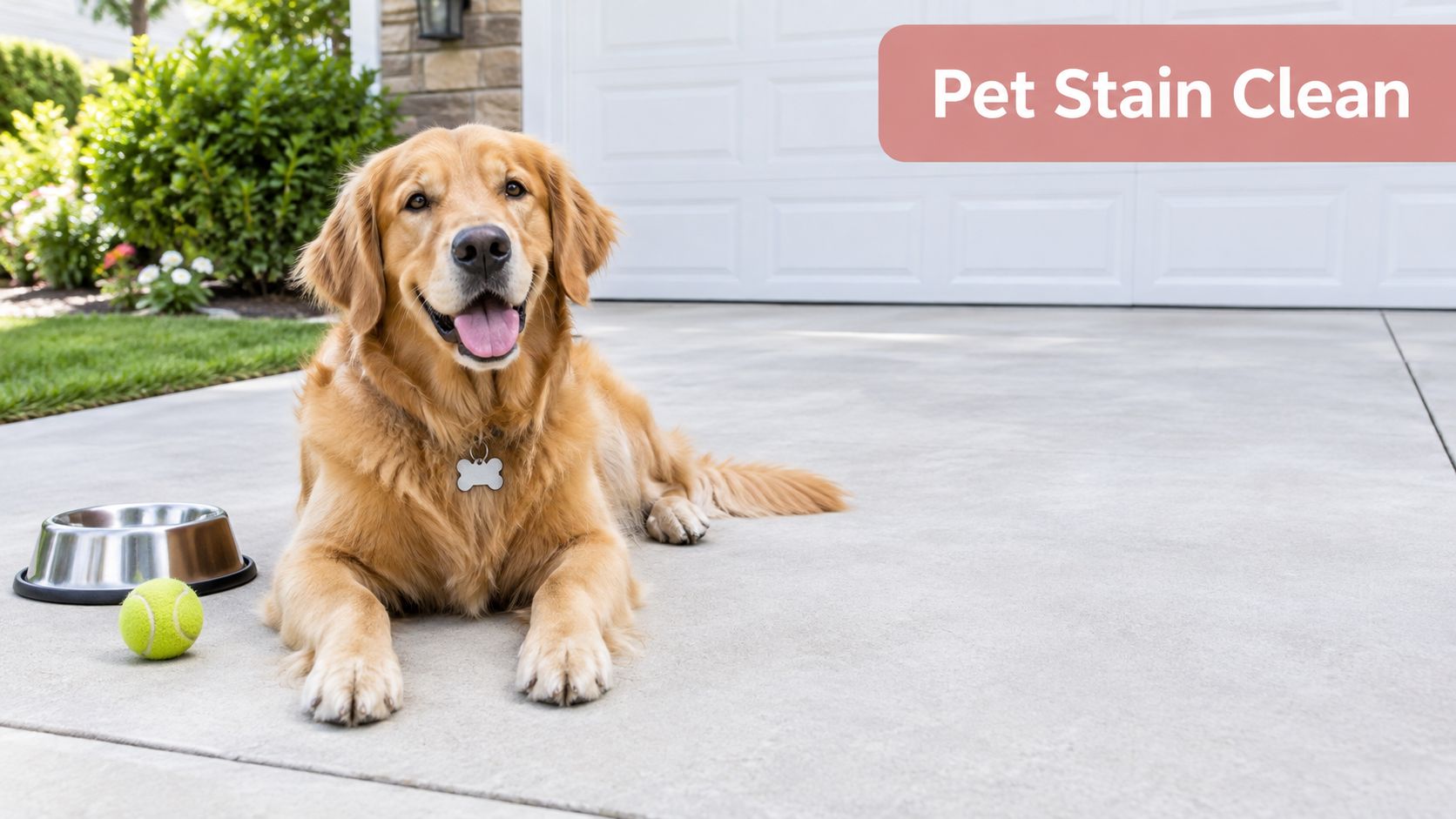
For broader household upkeep, this guide to house cleaning for pet owners can help connect exterior cleaning with indoor pet-residue control. The driveway result should be judged only after it dries and the odor has had time to settle, not while the surface is still saturated.
7. Concrete Sealing and Protective Coating Post-Pressure Washing
Pressure washing creates a visible reset, but freshly cleaned concrete is still exposed to new oil, water, dirt, and biological residue. A Kennesaw homeowner who stops after rinsing may enjoy a sharp visual improvement, then watch new stains appear in the same parking positions. Sealing changes the project from a one-time wash into a protection decision.
Choose the coating for the surface
A penetrating sealer and a film-forming sealer behave differently. The right choice depends on concrete condition, appearance goals, traffic, and compatibility with any existing coating. The surface must be clean and dry first. A household in North Atlanta with several vehicles may prioritize stain resistance, while a new Cobb County homeowner may want to protect an inherited driveway after removing years of buildup.
Allow the driveway to dry before judging its color and before applying a coating. Aquastar's driveway pressure washing service describes a process that includes scheduling the service, pressure washing the driveway, and viewing the cleaned result. Any sealer decision should be made after inspecting for cracks, spalling, previous coatings, and areas that need repair.
A low-VOC or eco-conscious product may suit households with children and pets, but the label still controls application and re-entry requirements. Vehicle access must remain restricted until the coating has cured according to the manufacturer's directions. Resealing is a maintenance choice based on wear and product performance, not an automatic promise of a fixed lifespan.
Sealing protects a good cleaning result. It doesn't repair a structurally failing driveway.
The after photo should distinguish between cleaning and coating. A uniform sheen may be attractive, but excessive gloss can expose patching, tire paths, or uneven concrete that a matte penetrating treatment would make less obvious.
8. Pre-Sale Property Preparation and Curb Appeal Enhancement
Before a showing, buyers notice the driveway as part of the approach to the home. Oil shadows, leaf residue, mold, and neglected edges can suggest deferred maintenance before the buyer reaches the entry. A professional cleaning can improve that first impression, but it shouldn't be described as a guaranteed increase in sale price or a substitute for repairs.
A Kennesaw seller might schedule driveway washing before real estate photography and showings. A landlord in North Atlanta may include exterior cleaning in a move-out refresh, while a Cobb County investor may use driveway restoration as one part of a broader rental-property preparation plan. In DeKalb County, a clean driveway may reinforce a buyer's impression that the owner maintained the property carefully, but that perception remains context-dependent.
Match the timing to the milestone
Schedule the work early enough for drying, inspection, and any needed touch-ups before photography or showings. Coordinate the driveway with landscaping, gutters, entry steps, and interior cleaning so the property doesn't present a polished front walk beside an untidy garage or porch. Edinhart Realty's curb appeal ideas offers additional context for treating exterior presentation as a combined property task.
Use before-and-after photos truthfully. Keep the camera position and lighting reasonably consistent, and don't crop out cracks or damaged sections that buyers may notice in person. A clean driveway can support a cared-for appearance, but severe cracking, drainage problems, or failing asphalt still require repair advice.
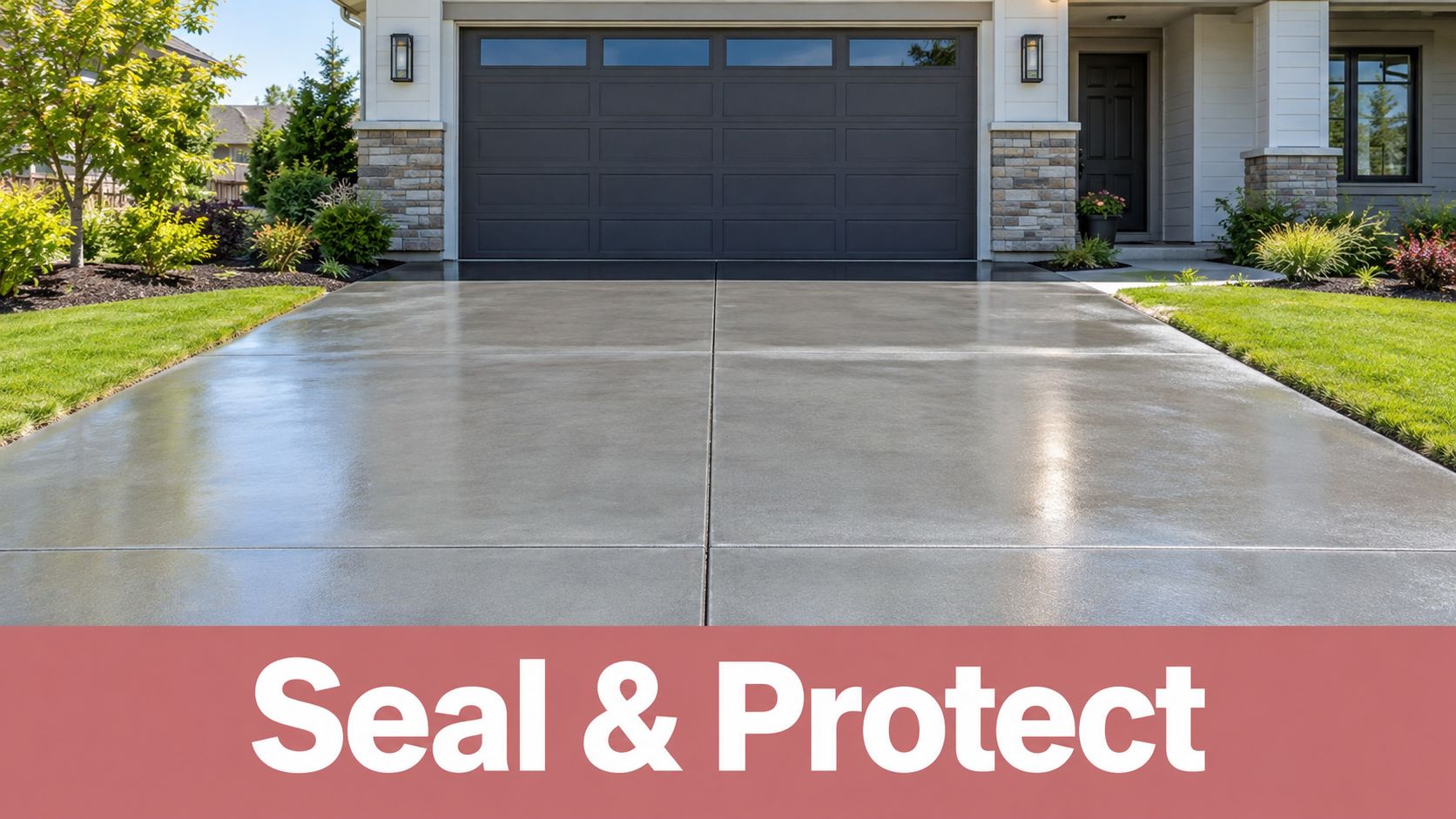
For owners building a listing or maintenance record, before-and-after cleaning photos can document what changed. The strongest pre-sale result is a driveway that looks clean in photographs, feels safe to approach, and matches the condition of the rest of the property.
8 Driveway Pressure Washing Before-and-After Comparisons
| Example | Implementation Complexity 🔄 | Resource Requirements ⚡ | Expected Outcomes 📊 | Ideal Use Cases 💡 | Key Advantages ⭐ |
|---|---|---|---|---|---|
| Oil Stain Removal from Concrete Driveways | Moderate; may require degreasing, multiple passes, or repeat treatments | Pressure washer at 3,000+ PSI, biodegradable degreaser, optional sealer | Restores concrete color, improves safety, and prevents deeper oil penetration | Multi-vehicle homes, automotive maintenance areas, rental-property preparation | Strong visual improvement; cost-effective alternative to concrete replacement |
| Algae, Mold, and Mildew Removal from Shaded Driveways | Moderate; requires antimicrobial treatment and controlled pressure | Pressure washer, biodegradable antimicrobial solution, drainage assessment | Removes biological growth, brightens concrete, and reduces slip hazards | Shaded, humid, or moisture-prone properties; senior residences | Improves safety and helps prevent concrete deterioration |
| Rust and Mineral Stain Elimination from Concrete | Moderate to high; stain-source identification and specialized treatment may be needed | Pressure washer, chelating or rust-removal agents, optional sealer | Produces more uniform concrete color and reduces recurring discoloration | Well-water properties, irrigation runoff areas, corroded-fixture zones | Effective restoration without replacing concrete sections |
| Tire Mark and Rubber Residue Removal from Asphalt Driveways | Moderate; requires asphalt-safe pressure and detergents | Pressure washer at approximately 2,000–2,500 PSI, asphalt-safe detergent | Fades or removes tire marks while preserving asphalt integrity | High-traffic homes, rental turnovers, pre-sale preparation | Fast, affordable curb-appeal improvement without resurfacing |
| Leaf Debris and Seasonal Accumulation Clearing | Low to moderate; heavy buildup may require manual pre-clearing | Pressure washer, sweeping tools, debris collection equipment | Removes hazards, improves drainage, and reveals a cleaner surface | Wooded properties, seasonal maintenance, family and senior residences | Efficient recurring service with immediate safety benefits |
| Pet Stain and Waste Residue Elimination | Moderate; enzymatic dwell time and repeat applications may be required | Pressure washer, pet-safe enzymatic cleaner, sanitation products | Removes stains and odors while improving surface hygiene | Pet-owning households, rental turnovers, family outdoor areas | Pet-safe approach addresses both visible residue and odor sources |
| Concrete Sealing and Protective Coating Post-Pressure Washing | High; requires thorough cleaning, drying, product selection, and curing | Pressure washer, concrete sealer, application tools, 24–48 hours of curing time | Extends cleanliness, reduces stain penetration, and protects concrete lifespan | Long-term maintenance plans, recently cleaned driveways, property investments | Converts one-time cleaning into durable surface protection |
| Pre-Sale Property Preparation and Curb Appeal Enhancement | Moderate; requires timing and coordination with broader property preparation | Pressure washer, cleaning supplies, photography or staging coordination | Improves buyer perception, listing presentation, and perceived property value | Home sales, rental preparation, real estate staging, investment properties | High-impact, relatively low-cost upgrade with strong marketing value |
Turn the Clean Surface Into Lasting Curb Appeal
A useful driveway before-and-after comparison starts with diagnosis, not equipment. Identify the visible problem first. Oil, algae, rust, mineral deposits, tire residue, leaves, and pet waste each call for a different treatment, and a general-purpose blast can leave behind the original stain or create a new surface problem.
Next, confirm whether the driveway is concrete or asphalt. Concrete can usually withstand pressure washing, and Consumer Reports says a machine capable of at least 1,500 PSI can clean concrete, while 2,500 to 3,000 PSI makes the work faster, as described in its pressure-washer surface guidance. Lowe's also identifies 1,500 PSI as suitable for concrete and asphalt driveways and notes that 3,000 PSI or more speeds the job, according to its driveway pressure-washing guide. Those figures don't override surface condition, nozzle distance, detergent choice, or operator control.
Cleaning power isn't just PSI. Home Depot's formula is CP = PSI × GPM, meaning a washer rated at 2,000 PSI and 2.0 GPM has 4,000 CP, as explained in this concrete driveway cleaning guide. Concrete Network guidance places effective concrete cleaning at at least 3,000 PSI and 4 GPM, with more pressure potentially needed for paint or heavy tire-skid marks, according to this pressure-washing equipment overview. Treat these as equipment benchmarks, not permission to use maximum force everywhere.
Document the starting condition, treatment, and dry result. Protect plants, control runoff, allow the surface to dry before normal use or sealing, and address the source of repeat staining. Pricing should be treated as a customized range. Driveway size, condition, stain type, access, treatment products, surface material, sealing, and recurring visits all influence the quote. The broader U.S. market includes typical driveway jobs around $120 to $480 when size and method vary, while hot-water cleaning often costs more for tougher buildup, according to the EPA-linked cleaning and surface research.
For Kennesaw and North Atlanta homeowners, Aquastar Cleaning Services, LLC can connect driveway pressure washing with recurring housekeeping, deep cleaning, move-in or move-out preparation, and other property-care services. Choose the service scope around the next season, tenant turnover, inspection, or sale date, rather than waiting until the driveway becomes a safety or presentation problem.
The strongest before-and-after result is one that remains clean because the cause was addressed, not merely rinsed away.
Aquastar Cleaning Services, LLC offers driveway pressure washing for dirt, oil stains, mold, and grime, along with recurring housekeeping, deep cleaning, move-in and move-out, and property-preparation services in Kennesaw and North Atlanta. Review the available options and request a custom quote through Aquastar Cleaning Services, LLC.